
Optimal Timing for Asphalt Maintenance
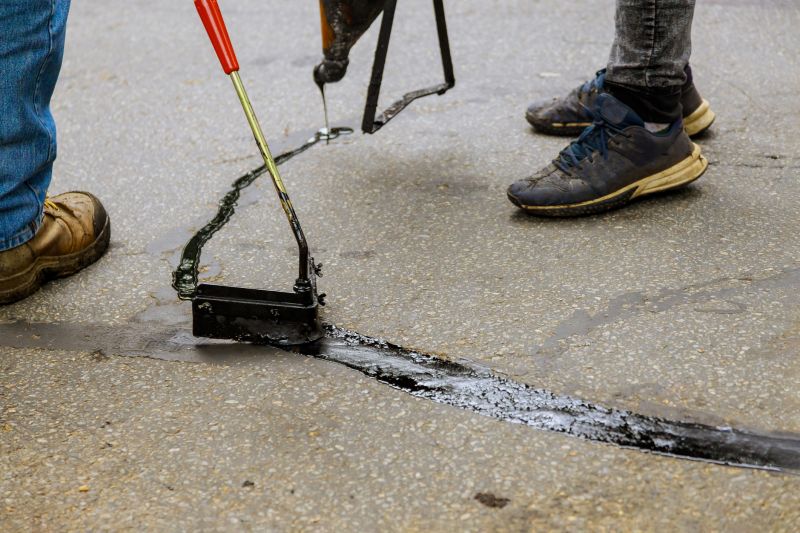
Spring offers moderate temperatures ideal for asphalt repairs and sealing, ensuring proper curing and longevity.
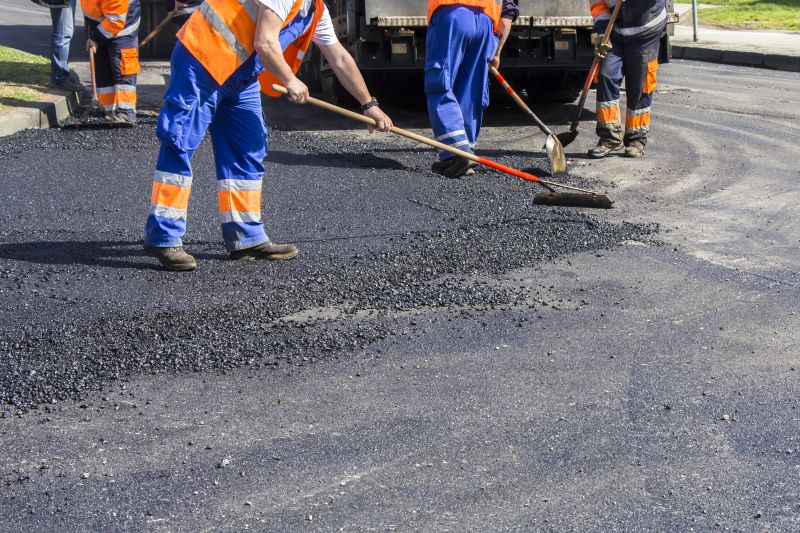
Warm weather accelerates asphalt work, but extreme heat can cause softening. Early summer is optimal for paving and overlays.
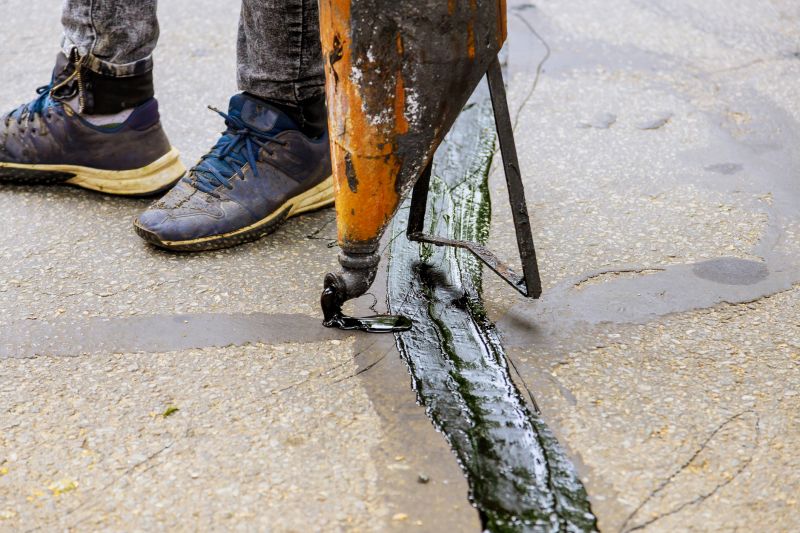
Fall provides cooler temperatures and less traffic, making it suitable for repairs and sealcoating before winter.

Ways to make Asphalt Service work in tight or awkward layouts.
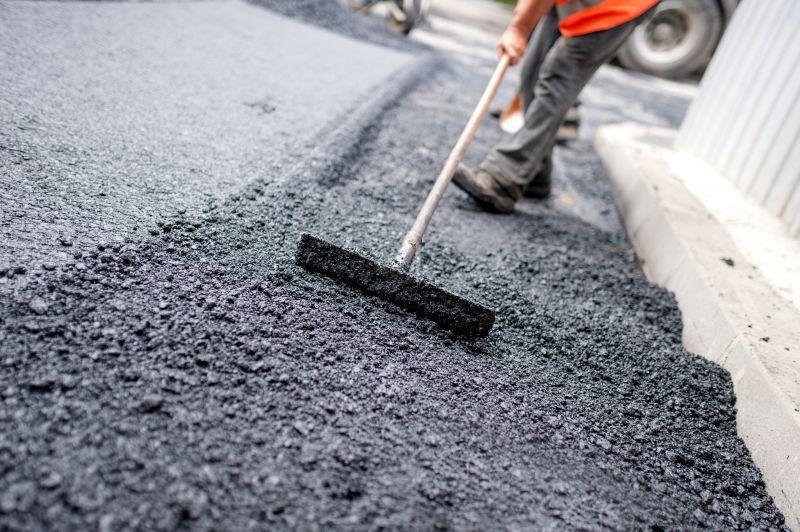
Popular materials for Asphalt Service and why they hold up over time.
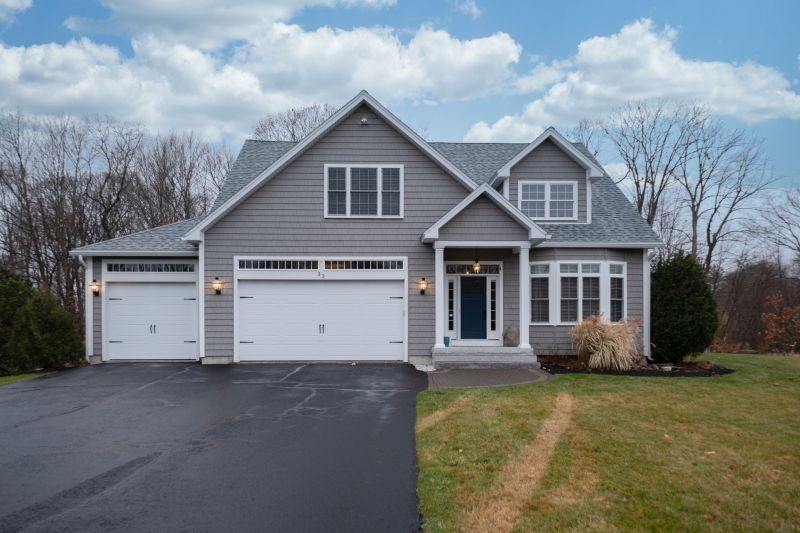
Simple add-ons that improve Asphalt Service without blowing the budget.
Asphalt service encompasses a variety of maintenance and repair tasks aimed at extending the lifespan of asphalt surfaces. Proper timing ensures optimal results and durability. Scheduling during favorable weather conditions prevents issues such as cracking, softening, or improper curing. Asphalt work is most effective when performed within specific temperature ranges, typically between 50°F and 85°F, with low humidity and minimal precipitation.
Statistics indicate that asphalt paving and repairs conducted in spring and fall tend to last longer due to ideal temperature and moisture conditions. Performing asphalt maintenance during these periods can reduce future repair costs by up to 30%. Properly timed services also minimize surface defects and improve safety by maintaining smooth, even surfaces.
Temperature fluctuations significantly impact asphalt work quality. Cold weather can cause cracking, while excessive heat may lead to softening and deformation.
Scheduling during less busy months can result in quicker service and better availability of materials and crews.
Rain and moisture can weaken asphalt bonds, making dry, warm conditions preferable for sealing and overlays.
Timing asphalt services correctly can extend surface life and reduce the need for frequent repairs.